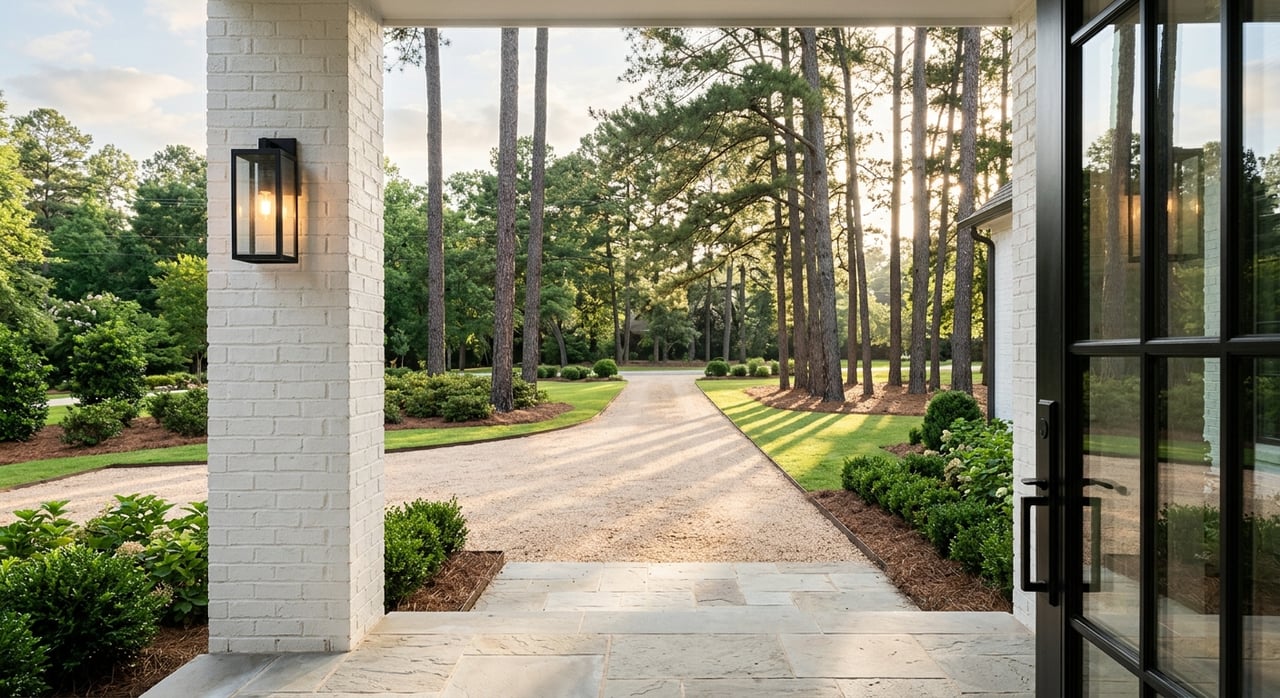
Are you torn between wide-open land and an amenity-rich neighborhood near Magnolia? You are not alone. Many buyers in this part of Montgomery County are weighing the freedom of acreage living against the convenience of a master-planned community, and the right fit often comes down to how you want to spend your time, manage your property, and move through daily life. This guide will help you compare both paths around Magnolia so you can make a confident decision. Let’s dive in.
Why Magnolia Offers Both Lifestyles
Magnolia has long appealed to buyers who want options. The city sits at FM 1774 and FM 1488, about 45 miles northwest of Houston and 25 miles southwest of Conroe, and the greater Magnolia area stretches about 12 miles in all directions with more than 138,000 people.
That mix of growth and space helps explain why both acreage properties and master-planned neighborhoods are part of the local market. The city also identifies farm-and-ranch living and custom homes on sprawling acreage as part of Magnolia’s housing mix, while nearby large-scale communities continue to add homes, amenities, and infrastructure.
For many buyers, this is not really a question of which option is better. It is a question of which option fits your priorities best.
What Acreage Living Means Near Magnolia
Acreage living near Magnolia usually means more land, more separation from neighbors, and more control over how your property functions. It may also include custom homes or farm-and-ranch style settings that feel different from a traditional subdivision layout.
If you value privacy, room for outdoor projects, or the flexibility to enjoy a larger homesite, acreage can be very appealing. You may simply want more elbow room and a property that feels more independent.
The trade-off is that more independence usually brings more owner responsibility. In many cases, acreage homes require closer attention to systems, maintenance, and long-term upkeep than homes in neighborhoods with shared services.
Acreage Pros to Consider
- More land and privacy
- Greater flexibility in how you use your property
- Potential for custom home design and a less uniform setting
- A more self-directed ownership experience
Acreage Responsibilities to Expect
- More hands-on exterior upkeep
- Greater responsibility for property systems
- More due diligence around utilities and water sources
- Fewer built-in shared amenities than a master-planned neighborhood
Septic, Wells, and Rural Property Systems
If you are considering acreage around Magnolia, property systems deserve extra attention early in your search. Homes in more rural areas often use septic systems, and some may also rely on private wells.
For septic systems, the owner is responsible for operation, maintenance, and repairs. The EPA says the average household septic tank should be inspected every 1 to 3 years and pumped every 3 to 5 years.
Private wells also require a careful look. The EPA notes that private wells are not regulated by EPA standards, which means you should verify the water source and understand testing obligations before moving forward.
In Texas, local rules can also shape what ownership looks like. TCEQ says some local permitting authorities may impose stricter on-site sewage facility requirements, including homeowner training or limits on homeowner maintenance.
For you as a buyer, that means an acreage home may offer freedom, but it also calls for a more detailed review of how the property operates day to day.
What Master-Planned Living Looks Like
Master-planned communities near Magnolia tend to offer a more packaged lifestyle. Instead of prioritizing a larger private lot, many buyers choose these neighborhoods for shared amenities, organized design, and a more predictable ownership experience.
Texas A&M’s Real Estate Research Center notes that master-planned communities often market a lifestyle, with diverse housing options and amenities such as parks, trails, pools, and other shared spaces. Many suburban buyers are willing to trade a larger lot for more community space when those features support their daily routine.
Around Magnolia, Audubon is one notable example. It is marketed as a nearly 3,000-acre master-planned community at SH 249 and FM 1488 with parks, lakes, trails, a planned amenity center, future retail, and front-yard maintenance included in HOA dues.
Woodforest is another useful nearby comparison. Its official community information describes a 3,000-acre master-planned community in south Montgomery County with miles of trails, shopping and dining, pools, a golf club, and resident clubs.
Why Buyers Choose Master-Planned Neighborhoods
For many households, convenience is the biggest draw. Shared amenities, neighborhood trails, and maintained common spaces can make daily life feel simpler and more connected.
Some buyers also like the predictability. When front-yard maintenance or community amenities are built into the structure of the neighborhood, it can be easier to estimate what ownership will feel like over time.
This does not mean a master-planned community is the right fit for everyone. It simply means the lifestyle is more structured, with more shared rules and more formal systems supporting the neighborhood.
Master-Planned Community Benefits
- Access to shared amenities like parks, trails, lakes, or pools
- More predictable neighborhood maintenance patterns
- Lifestyle features that may support convenience and recreation
- A less hands-on ownership experience than some acreage properties
Master-Planned Trade-Offs
- Smaller private lots than many acreage properties
- More neighborhood rules and association oversight
- Additional documents and resale paperwork during a transaction
- Carrying costs that may extend beyond the base home price
Compare Maintenance and Daily Lifestyle
One of the clearest differences between these two options is how you want to spend your time. If you enjoy managing a property, planning improvements, and handling more decisions yourself, acreage may feel rewarding.
If you prefer a homeownership experience with more built-in support and less direct responsibility for certain exterior or shared-area tasks, a master-planned neighborhood may feel easier to manage. This is especially true if amenities and neighborhood design matter as much to you as lot size.
A simple way to think about it is this: acreage often gives you more control, while master-planned living often gives you more convenience.
Compare Costs Beyond the Home Price
It is easy to focus on the list price, but total carrying cost matters just as much. That is especially true when you are comparing two ownership models that function very differently.
With acreage, your costs may include ongoing system maintenance, land upkeep, and expenses related to septic or well service if those apply. Those costs can vary based on the property and how it is set up.
With master-planned neighborhoods, buyers should look closely at dues, required documents, and utility-related structures. TCEQ says a municipal utility district, or MUD, is formed to provide utility services to a designated area.
Woodforest MUD 113 says its district handles water, sewage, drainage, road improvements, garbage collection, and park and recreation facilities. That does not make one choice better than the other, but it does mean you should compare the full ownership picture, not just the purchase price.
What Paperwork Differs at Resale
Transaction logistics can also look different depending on the property type. In many master-planned neighborhoods, there is usually more formal association paperwork involved.
Texas Property Code requires homes subject to a property owners association to provide subdivision restrictions, bylaws or rules, and a resale certificate. Updated certificates also have their own timing rules.
For buyers, that means more documents to review before closing. For sellers, it means more preparation and coordination as part of the listing and contract process.
Acreage transactions can have their own complexity too, especially when land features and property systems need closer review. The difference is that the complexity often comes from the property itself rather than from neighborhood governance documents.
Commuting and Access Around Magnolia
Daily driving patterns play a big role in Magnolia housing decisions. The city is located at FM 1774 and FM 1488, about 20 miles from both I-45 and US 290, and Census QuickFacts reports a mean travel time to work of 31.4 minutes.
That road-based pattern matters whether you choose acreage or a master-planned neighborhood. Your route to work, school, shopping, or other routine stops can shape your day just as much as the house itself.
TxDOT says the SH 249 project is serving the growing transportation needs of Montgomery and Grimes counties northwest of Houston. As the area continues to grow, access, traffic flow, and proximity to major routes will remain important factors for buyers.
When comparing properties, it helps to think beyond the map. Consider how often you will be driving, where you need to go most, and whether your ideal home still fits your weekly routine.
Which Magnolia Lifestyle Fits You Best
If you want more land, more privacy, and more control, acreage living around Magnolia may be the better match. It tends to suit buyers who are comfortable with added property responsibility and who value space as a daily lifestyle feature.
If you want amenities, community infrastructure, and a more predictable maintenance experience, a master-planned neighborhood may make more sense. It often fits buyers who want convenience and shared neighborhood features to be part of everyday life.
Neither option is automatically right or wrong. The best choice is the one that supports how you want to live, what responsibilities you are comfortable taking on, and how you want your budget to work month after month.
If you are weighing acreage against master-planned living around Magnolia, a local, hands-on comparison can save you time and help you avoid costly assumptions. For tailored guidance on Magnolia homes, acreage properties, and neighborhood options, connect with Reaves Realty Group.
FAQs
What is the main difference between acreage living and master-planned neighborhoods around Magnolia?
- Acreage living usually offers more land, privacy, and control, while master-planned neighborhoods typically offer shared amenities, more structure, and a more predictable maintenance experience.
What should Magnolia buyers know about septic systems on acreage properties?
- If a home uses septic, you are generally responsible for operation, maintenance, and repairs, and the EPA says the average household septic tank should be inspected every 1 to 3 years and pumped every 3 to 5 years.
What should Magnolia buyers ask about private wells on rural homes?
- You should confirm the water source early and understand testing obligations, because the EPA notes that private wells are not regulated by EPA standards.
What amenities do master-planned communities near Magnolia often include?
- Depending on the community, features may include parks, trails, lakes, pools, planned amenity centers, shopping, dining, golf, or resident clubs.
What extra paperwork comes with buying in a master-planned neighborhood in Texas?
- For homes subject to a property owners association, Texas law requires documents such as subdivision restrictions, bylaws or rules, and a resale certificate.
Why do commuting patterns matter when choosing a Magnolia home?
- Magnolia is a road-based market, and with a reported mean travel time to work of 31.4 minutes, your access to routes like FM 1774, FM 1488, I-45, US 290, and SH 249 can have a major impact on daily convenience.